Did you know that 1 in 5 children between the ages of 5 and 11 suffer from at least one untreated tooth decay? One in seven adolescents aged 12 to 19 also have at least one untreated tooth decay! It is very important that children are taught from an early age that good oral hygiene is mandatory. Oral health problems in childhood can lead to more serious diseases as we age. However, good oral hygiene habits are not everything. Nutrition and a healthy diet can also support dental health.
We present to you a list of foods that should be included in every child's diet!
10 healthy foods
Cheese

The cheese contains calcium, and calcium helps strengthen teeth and bones. In addition, cheese is a source of probiotic bacteria. These bacteria live in the oral microbiome and also help strengthen teeth.
Butter

Butter is a great source of fat soluble vitamins such as vitamins A, D and K2. Butter is high in fat and is a good substitute for sweet foods, and as we well know, sugar is one of the main causes of tooth decay. Unlike cheese, with butter casein levels are much lower, and some children are intolerant to casein. Therefore, butter is a very good substitute for cheese. Butter improves the taste of food and thus makes children fuller and happier.
Raw carrots

The fiber content of raw carrots promotes the production of healthy bacteria in the mouth, and this helps strengthen children's teeth. Carrots are rich in nutrients, beta-carotene and antioxidants such as magnesium and zinc. In order for children to have healthy teeth, they need to chew hard and fibrous foods, and carrots are just that consistency.
Meat products

Meat products are essential for children's dental health. They contain skin, bones, tendons and cartilage. This makes them an excellent source of protein that helps build collagen. Collagen provides support material for the gums.
Whole grain bread
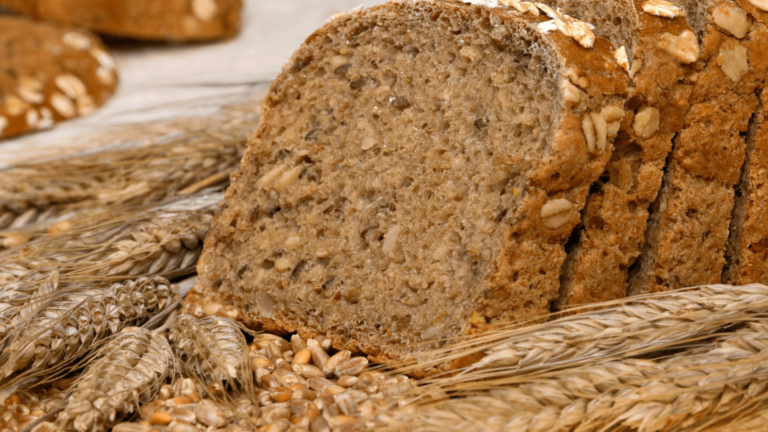
Whole grain bread is rich in fiber, which lowers blood sugar and bad cholesterol levels. Including whole grain bread in the menu will make children feel full and reduce the desire to eat unhealthy foods. Fiber aids digestion, regulates bowel movements and prevents complications such as diarrhea.
Broccoli

Broccoli is a healthy food that strengthens teeth. Broccoli is a great source of nutrients like vitamin K1, vitamin C and chromium. Raw broccoli is high in dietary fiber, which promotes the growth of probiotics in the mouth. Therefore, it is recommended that children be given raw broccoli rather than cooked, as cooked broccoli loses some of its nutrients.
Eggs

Free-range eggs are an excellent choice for a child. They are with high content of vitamin K2, which helps strengthen teeth. Eggs provide fat-soluble vitamins A, D, K2 and are a good source of vitamins B5, B12 and folic acid. Eggs are rich in antioxidants such as calcium, zinc and selenium. Eggs are a versatile and nutritious food that is suitable for children. The beneficial substances from eggs are extracted equally, regardless of the way they are prepared.
Yoghurt

Yogurt is high in calcium, which supports healthy teeth. Yogurt contains casein and phosphorus, and these ingredients protect children's tooth enamel. Yogurt contains natural probiotic bacteria that prevent plaque build-up and gum inflammation. Sugar is one of the main causes of tooth decay, so yogurt for children should be sugar-free or low-sugar.
Apples

Apples are rich in fiber, which is crucial for children's oral health. Apples are hard and chewing them stimulates children's gums. Apples are rich in vitamin C. Without vitamin C, children's teeth are more vulnerable to infection and bleeding. Apples are rich in potassium, which increases bone mineral density.
Tea

Tea contains polyphenol, and these compounds reduce the growth of harmful bacteria that can cause tooth decay and gum disease. Drinking black tea reduces plaque build-up on teeth and fights bad breath. Note that black tea contains caffeine, and caffeine is not recommended for children under 12.