What is Bruxism?
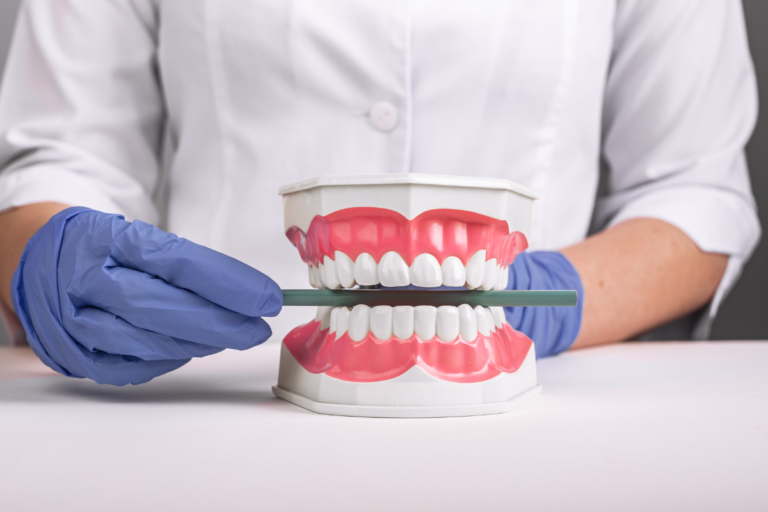
The term Bruxism refers to a condition in which a person unconsciously clenches or grinds their teeth. This condition most often occurs at night during sleep. Milder forms of bruxism usually resolve quickly, leave no lasting consequences, and in most cases do not even require treatment. However, in more severe forms, medical attention should be sought as soon as possible, as the lack of treatment can lead to bite problems, abrasion and trauma to the teeth, problems with the mandibular joint, etc.
Causes of Bruxism
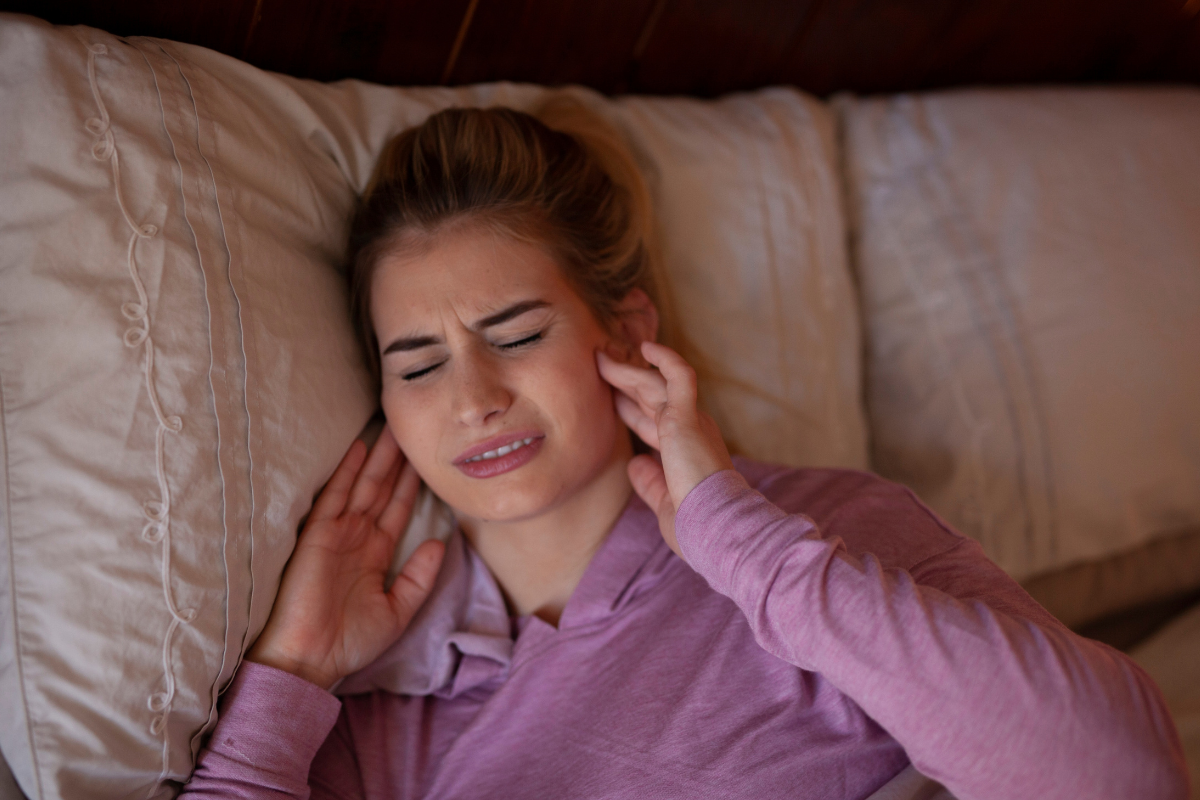
The causes of bruxism can be varied and often include a combination of factors, such as:
- Stress – One of the main factors that causes bruxism is stress. Stress can lead to tension in the jaw and teeth grinding.
- Incorrect positioning of the teeth.
- Tension in the jaw muscles.
- Alcohol or drug abuse.
- Sleep apnea – People who suffer from sleep apnea may exhibit bruxism. This can be associated with airway obstruction and tension in the jaw muscles.
- A lack of certain nutrients, such as magnesium, can also lead to bruxism.
These are just some of the main causes of bruxism. To determine the exact cause, a consultation with a dentist and a detailed medical examination should be performed.
Bruxism Treatment
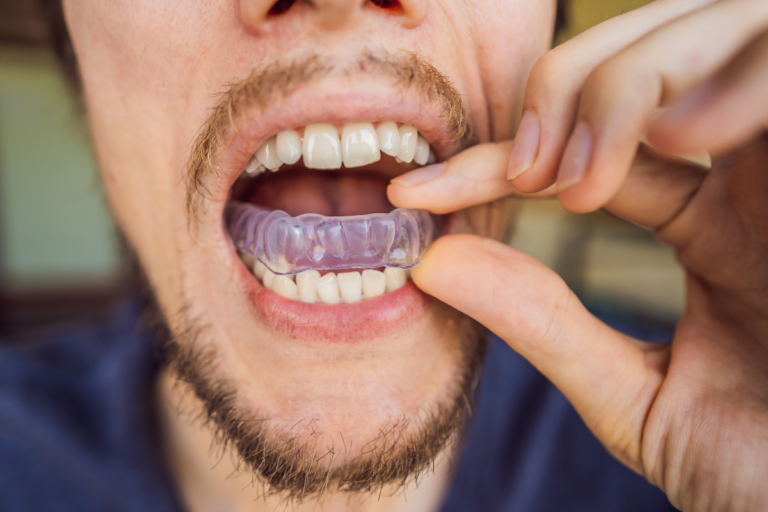
Treatment for bruxism can involve a variety of methods, depending on the cause and severity of the condition. Here are some of the most commonly used methods:
- Night splints – this is the most commonly used therapy for bruxism, which helps reduce teeth grinding. The splint is worn during sleep and is usually made to an individual impression of the teeth to ensure a precise fit and comfort.
- Drug treatment – certain medications, such as muscle relaxants or antidepressants, can be used to treat bruxism.
- Relaxation techniques such as meditation, yoga, breathing exercises, etc. lead to a reduction in stress and tension that lead to the appearance of bruxism.
- Dietary changes – avoiding alcohol, coffee, tobacco, and other stimulants may be helpful for uncontrollable teeth grinding. It is helpful to consume foods rich in magnesium.
- Treatment of underlying diseases – if bruxism is a consequence of other diseases, such as sleep apnea, anxiety disorder, or depression, the underlying cause must also be treated.
- Bite correction – in some cases, bruxism is due to misaligned teeth. In such cases, bite correction may be used.
- Prosthetic therapy – this therapy is used when bruxism has led to permanent changes in the chewing muscles, the mandibular joint, and the teeth. Prosthetic therapy lifts the bite and restores the height of the teeth.
Treatment is strictly individual and should be consulted with a dentist. He or she can examine the causes of bruxism and offer the optimal solution for you.
At Specialized dental clinic Bushkalova We offer consultations and treatment for patients suffering from bruxism. We have the necessary equipment and professionals to be able to help everyone. Do not hesitate to contact us to receive professional help.