

Rejection of a dental implant it happens extremely rarely. Usually, with high-end implants, the percentage of successful integration with the bone varies from 99.2% to 99.7%. This practically means that for every 200-300 patients only 1 may have such problems. However, sometimes the implant is rejected, and most often this is due to an immune deficiency.
Implant rejection due to immune deficiency
At sick with HIV and people with immune deficiency, the probability of rejection of the dental implant is extremely high. In general, the signs of rejection are already on the face in the first days, after placement of the implant, but they can also appear at a later stage. From all that has been said so far, it is clear that people who have some kind of immune deficiency should not undergo dental implantation. Other immunodeficiency conditions that increase the risk of dental implant rejection are: hypertension, insulin-dependent diabetes and oncological diseases.
Rejection of a dental implant can cause pain, swelling, bleeding and inflammation. Pain is one of the most common symptoms. In the initial stages of rejection of the implant, the patient may feel a slight pain or a feeling of tension. This may be accompanied by redness and swelling. In the later stages of dental implant rejection, the patient may experience severe pain, bleeding, inflammation and tissue growth around the implant. These symptoms can appear immediately after the implant is placed or a little later when the body's immune system rejects it.
Bleeding is common after a dental implant is placed, but if the bleeding continues after a few days, it could be a symptom of implant rejection.
Changes in body temperature are also one of the signs of dental implant rejection. This could be a reaction of the patient's body to the implant.
If you have any of these symptoms, it is important to contact your dentist as soon as possible. Rejection of a dental implant can lead to loss of the implant and the need for repeat surgery.
Implant rejection due to allergy to the materials
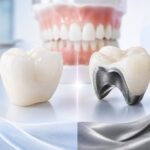
One of the reasons for the rejection of a dental implant can be an allergy to the materials used in the manufacture of the implant. This can happen when the body does not accept the materials as its own and rejects them. Allergic reactions can be very different, from mild forms to very severe and serious allergic reactions.
Conclusion
From all that has been said above, it is clear that the rejection of a dental implant happens very rarely, but there are still certain risk groups of patients. If you fall into one of the listed risk groups, it may be more reasonable to postpone the placement of implants for a certain time. In all other cases, you can be almost 100% sure that the procedure will go smoothly and without problems.
At Specialized Dental Clinic Bushkalova we have a specially equipped operating room, in which both single implants and implantation of the entire jaw can be placed - the so-called prosthetics with implants (All-On-4).
Book an appointment for an examination and preparation of an individual treatment plan now:

2 Comments
Plamen Pilev
April 25, 2024Hello, today something extremely unpleasant happened to me, rejection of an implant on a lower tooth. It was titanium, I invested in bone placement, a rather expensive procedure. I don't understand why it happened, whether it was my body or incompetence. Is there a possibility of consumption with you and possibly repeating the procedure
Христина
August 2, 2025Здравейте, бихте ли казали симптомите по които разбрахте, че имплантът не се приема?